Alman Malı ''Mehler Vario System'' Balistik (Çelik) Yelek
Yeni
BALİSTİK YELEK AGIRLIGI BEDEN NUMARASINA GÖRE (1750 g/2250g) ARASI DEGİŞİKLİLİK GÖSTERMEKTEDİR.




Detaylar
- Ballistic Body Armour COMFORT II „Classical“ CM 1341-028 with BA 5815 (Erkek) Klasik kurşun geçirmez yelek;
- German TR SK-1 or NIJ-IIIA sertifikasına sahip dış katman, vucudu saracak şekilde ayarlanabilen; dört adet ayarlanabilir bağlantı (2 adet omuzda, 2 adet belde); su itici, bakımı kolay mikrofilament dış katman, içte nefes alabilen ter emici pamuklu astar ile COOLMAX®- malzeme.
- Balistik koruyucu katmanlar, March TR, 2008, Rev. 09-2009, VPAM BSW 2006 Rev. 14.05.2009 sertifikasına sahip, Alman koruyucu sınıf 1 özelliklerini taşır.
- MEHLER FX teknolojisi sayesinde yüksek performans düşük travma değerleri.
- Sertifika no : 10Z080-01 Beschussamt Suhl.
- *Paket içerisinden toplam iki adet (Siyah-Beyaz)renklerde COMFORT II „Classical“ CM 1341-028 yelek dış kılıfı çıkmaktadır.
- Üretim tarihi: 06/2015
- Ülke : Almanya
- Ürün koruma seviyesi:German TR SK-1 or NIJ-IIIA
Beden Ölçü Çevrimi
3.2 S
4.2 M
5.2 L
6.2 XL
7.2 XXL
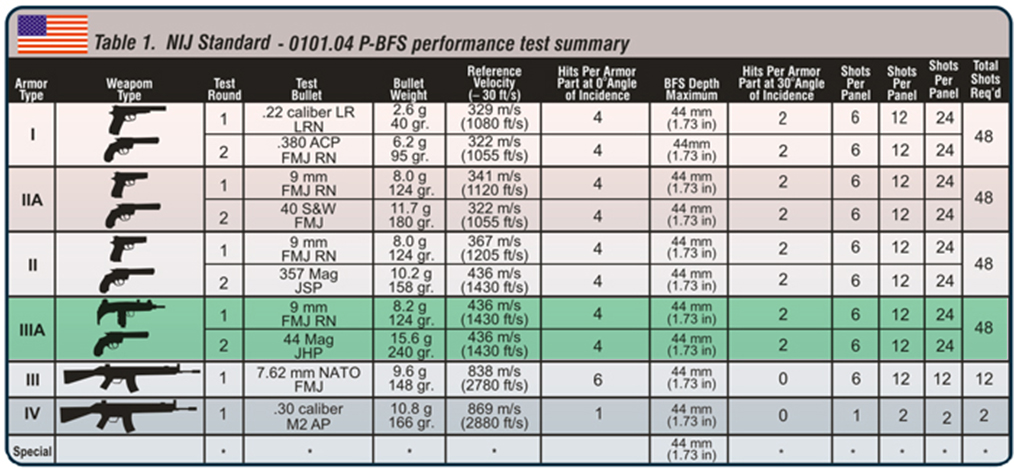
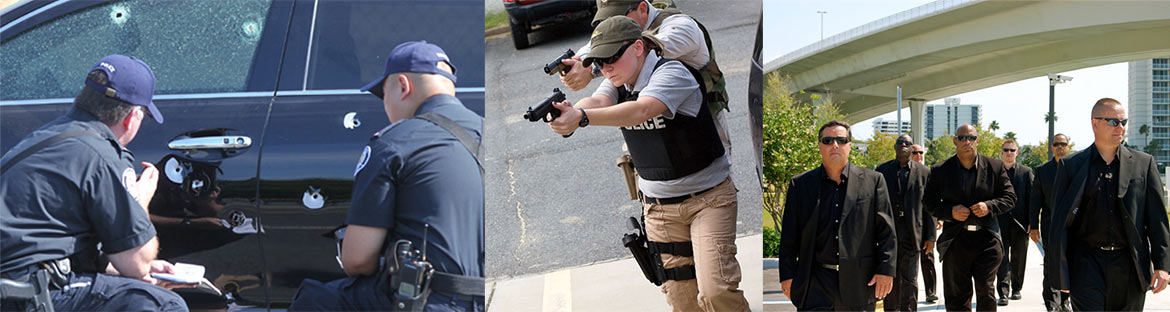
National Institute of Justice Ratings for Body Armor NIJ Standard 0101.03, 0101.04
While no body armor can offer 100% protection in all circumstances, an adequate level of body armor will protect the wearer from the majority of pistol rounds, and can provide a significantly improved level of safety. The NIJ has developed standards to help you choose the best armor for your agency’s and your personal needs. The chart above summarizes the standards used to certify body armor performance against varying levels of threats. It can serve as a basic guide to help you determine the level you need. While considering your requirements, keep in mind that the National Institute strongly recommends the selection of armor that will protect against common street threats in your area, and at minimum, from the officer’s own handgun. Consider this brief excerpt from the National Institute of Justice’s Publication, Selection and Application Guide to Personal Body Armor: The first step in selecting the appropriate protection level of body armor is to establish the level of protection that users need based on the realistic weapon threat they face.
To date, body armor has not been known to fail to prevent the penetration of a bullet constituting a threat equal to or less than the protection rating of the armor. However, officers have died from wounds received from weapons or ammunition exceeding the rated protection of the armor. While 100-percent protection in all circumstances is impossible, the routine use of appropriate body armor significantly reduces the likelihood of fatal injury. Body armor selection is to some extent a tradeoff between ballistic protection and wear-ability. The weight and bulk of body armor are generally proportional to the level of ballistic protection it provides; therefore, comfort decreases as the protection level increases. All departments should strive to select body armor that their officers will wear, consistent with their ballistic protection requirements.
Agencies should ensure that each officer knows and understands the protection that it affords, as well as its limitations. The weapons and ammunition commonly found on the street may vary significantly with geographic location. Therefore, information concerning weapons and ammunition that are confiscated in both the local jurisdiction and nearby surrounding areas must be considered, as well as statistics concerning gun sales by local firearms dealers. Such data will permit an assessment of the current threat from street weapons.
The National Institute of Justice (NIJ) strongly recommends the selection of armor that protects against both the street threat and the officer's handgun. A review of reports on officers killed during the period from 1980 to 2000 shows that 163 of the 1,058 officers killed with a handgun, or on average one in six officers, was killed with his or her own service weapon.
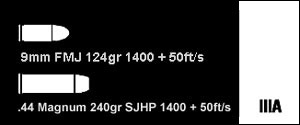
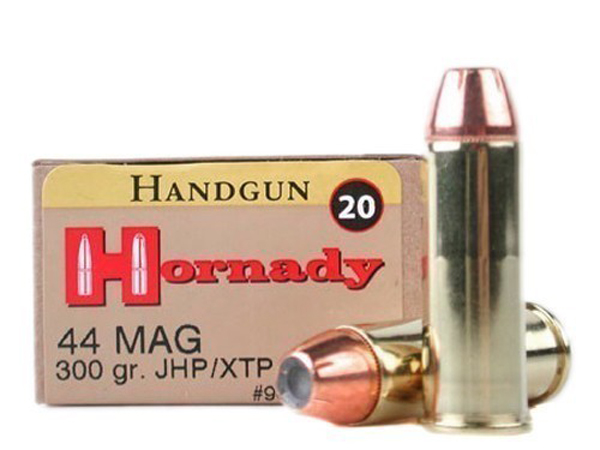
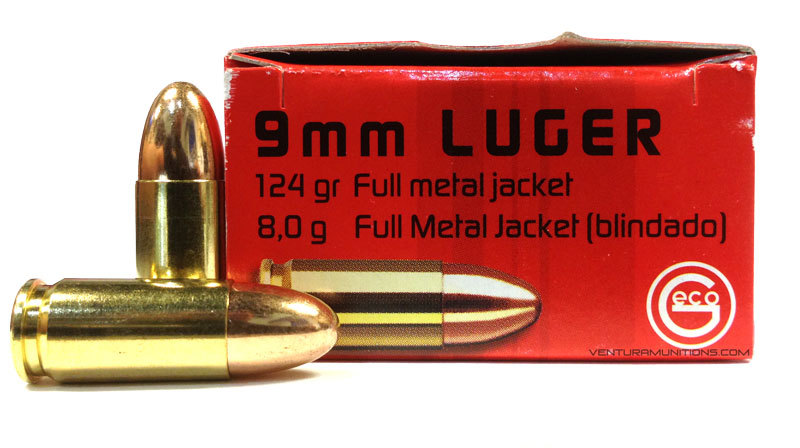
NIJ LEVEL IIIA: (.44 Magnum; Submachine Gun 9mm). This armor protects against .44 Magnum, Semi Jacketed Hollow Point (SJHP) bullets with nominal masses of 15.55 g (240 gr.) impacting at a velocity of 426 m/s (1,400 ft/s) or less and against 9mm full-metal jacketed bullets with nominal masses of 8.0 g (124 gr.) impacting at a velocity of 426 m/s (1,400 ft/s) or less.
It also provides protection against most handgun threats as well as the Level I, IIA, and II threats. Level IIIA body armor provides the highest level of protection currently available from concealable body armor and is generally suitable for routine wear in many situations. However, departments located in hot, humid climates may need to evaluate the use of Level IIIA armor carefully.
Yorumlar
Şu an müşteri yorumu bulunmamakta.
30 BU KATEGORİDEKİ DİĞER ÜRÜNLER
-

SP16 SPAX
-

HUSKY...
-

Ranger...
-

PUMA IP...
-

HUSKY...
-

PUMA IP...
-

NITECORE...
-

PUMA TEC...
-

PUMA TEC...
-
PUMA IP el...
-

CROSMAN...
-

CROSMAN M4...
-

NITECORE...
-

HUSKY BIZON...
-
BUSHNELL...
-

STURM 20 LT...
-

HUSKY BIZON...
-

PINGUIN...
-

SQUARE...
-

STURM 36 LT...
-
STEINER...
-

CROSMAN...
-

STEINER...
-

NITECORE...
-

STEINER...
-

BUSHNELL...
-

BENCHMADE...
-

STURM BEYAZ...
-
STURM MULTI...
-

Puma DMT...